

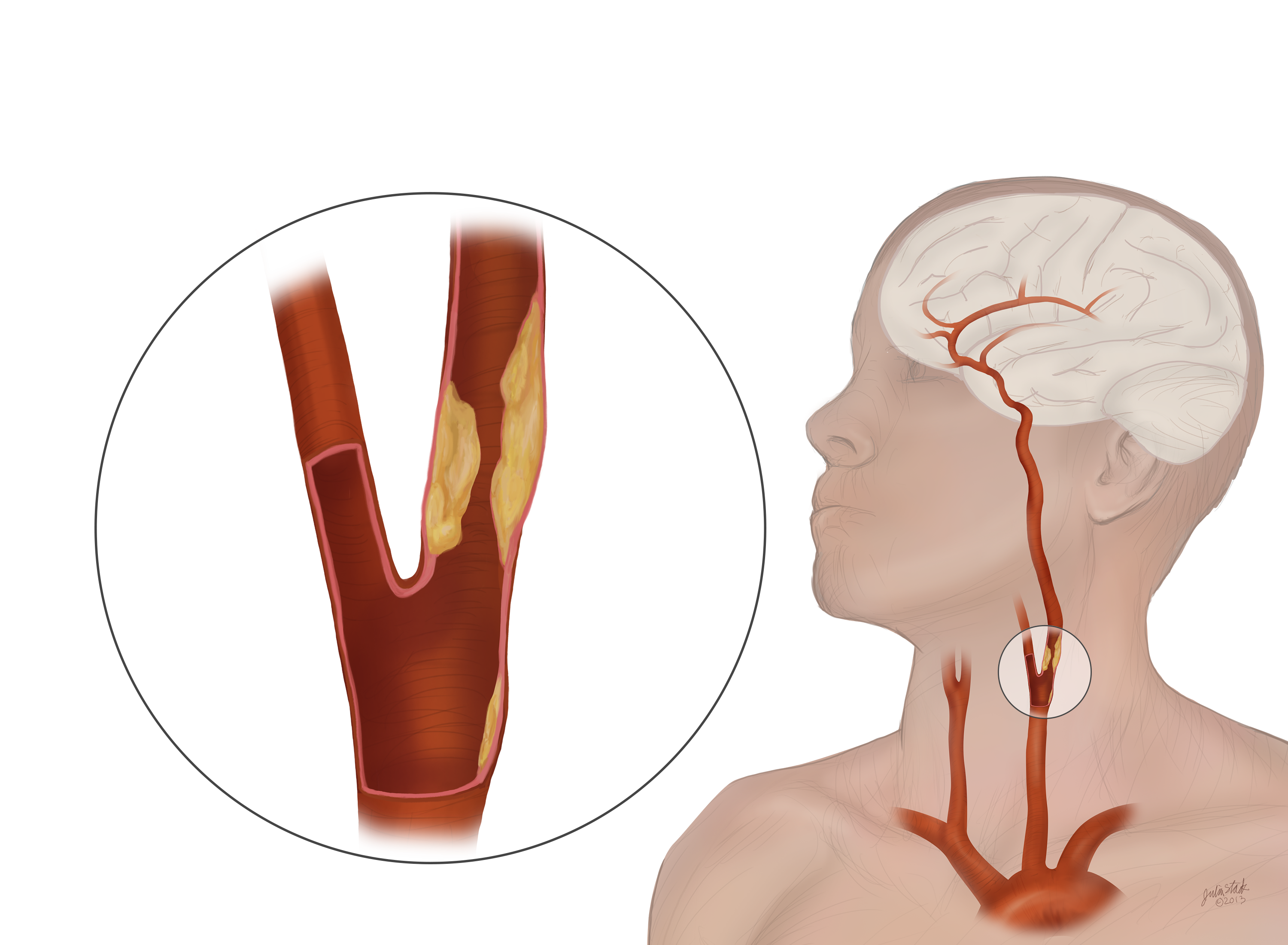
Carotid artery disease is a form of atherosclerosis, or a buildup of plaque, of the main arteries in the neck that supply oxygen-rich blood to the brain. This plaque is estimated to be the source of stroke in up to one-third of individuals, with 427,000 new diagnoses of stroke every year in the U.S.

In part 3 of our Cardiovascular Care Group aneurysm education series, we talk about the specifics of aneurysm repair – Endovascular Aneurysm Repair (EVAR). Our previous posts introduced you to the basics a.k.a. the "silent killer" and the different types of aneurysms and how best to manage them.

The best thing to do with an aneurysm is to avoid it. Seems like sound advice, right? Prevention is usually the best course of medical treatment. But, we know, stopping an aneurysm may not be in the cards sometimes.
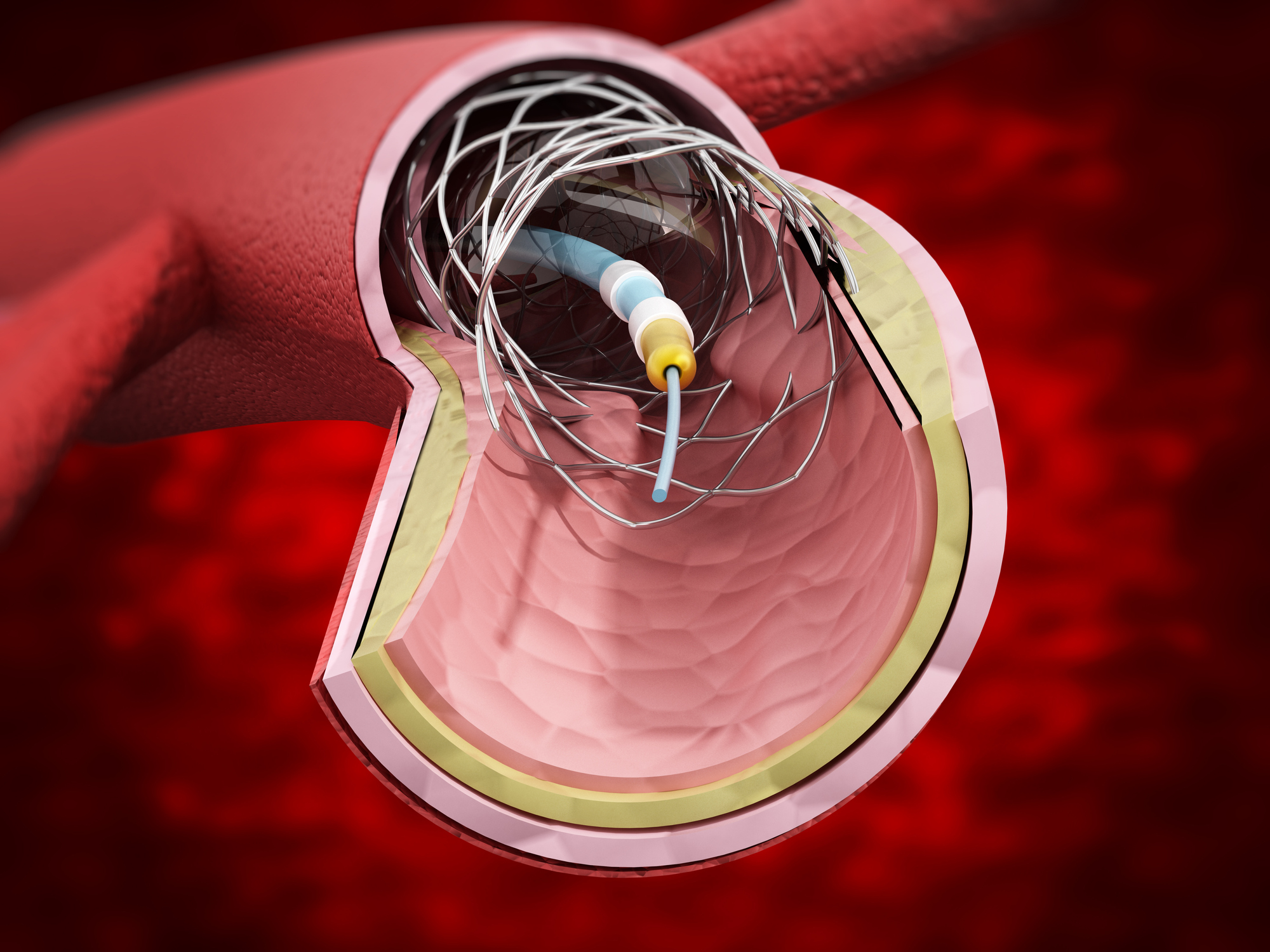
With approximately 250,000 patients being diagnosed with aortic aneurysms in the United States each year, it is important to understand what can be done to help combat this condition. Part of our goal at the Vein Institute of NJ at The Cardiovascular Care Group is to offer further education and understanding in[…]
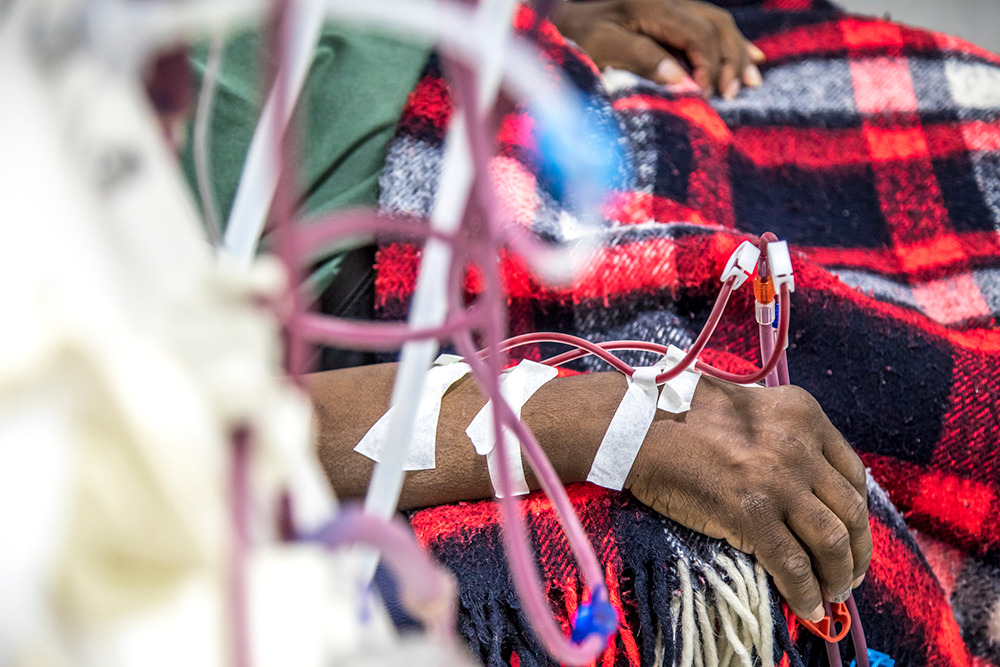
As a follow-up to our previous hemodialysis post regarding the difference between an arteriovenous fistula (AVF) and an arteriovenous graft (AVG), this article focuses on understanding hemodialysis access problems and the important role a vascular surgeon plays in not only creating dialysis access, but in maintaining,[…]

The term "vascular" refers to the body's blood vessels, including arteries, veins, and capillaries. They are all connected to a muscular pump called the heart and together this system keeps a continuous and controlled movement of blood that delivers nutrients and oxygen to every cell in the body. This is done through[…]




.jpg?width=944&name=Castle-Connolly-Top-Doctors-Emblem-Large%20(4).jpg "Castle Connolly Top Doctors emblem")