

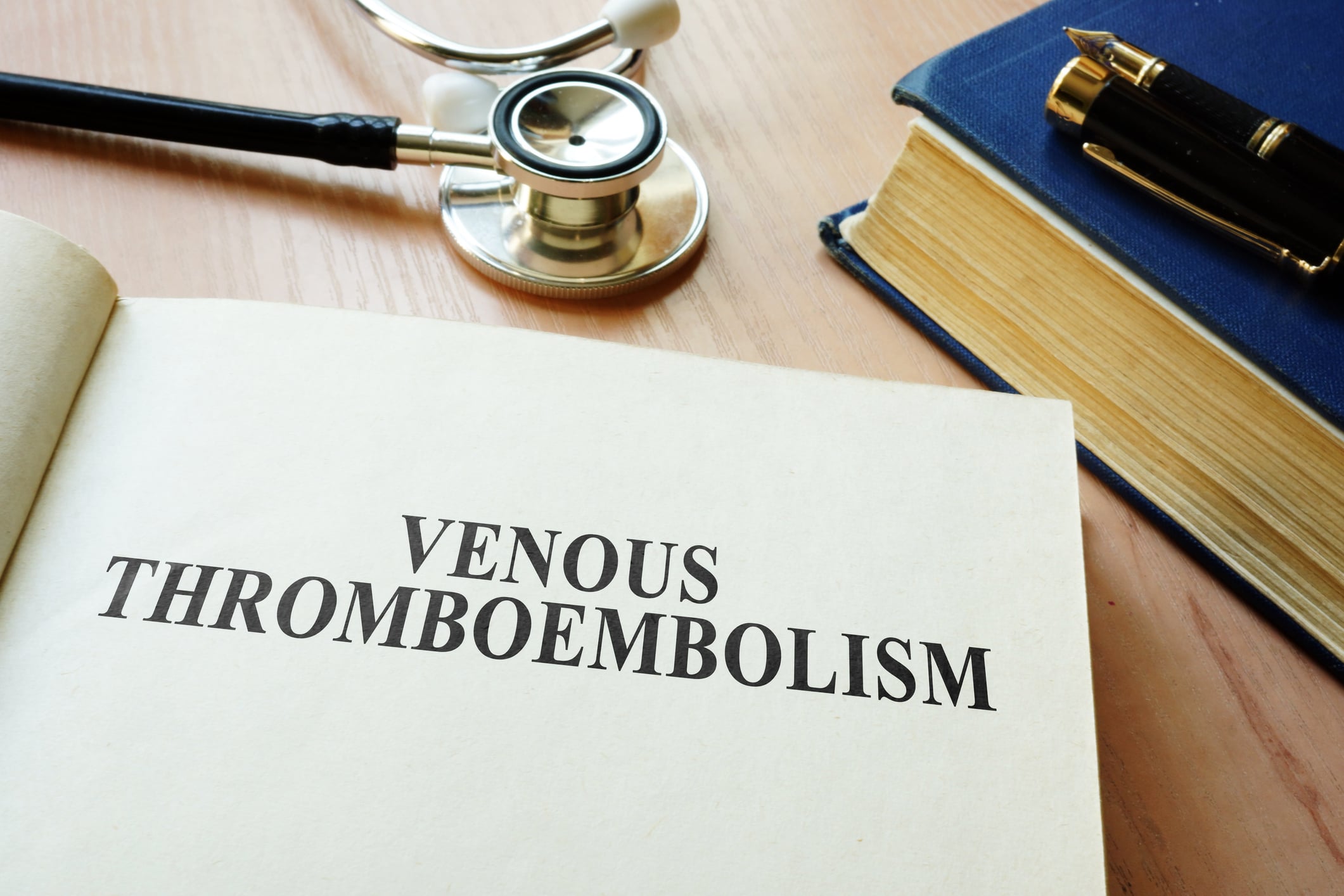
Venous Thromboembolism (VTE) is a serious vascular condition that affects hundreds of thousands of Americans every year. While many people have heard the terms Deep Vein Thrombosis (DVT) and Pulmonary Embolism (PE), few realize that these conditions are directly connected and represent different stages of the same disease process.
Understanding the symptoms, risk factors, and treatment options for VTE can help save lives, as prompt diagnosis and treatment are critical to preventing potentially life-threatening complications.
What Is Venous Thromboembolism (VTE)?
Venous Thromboembolism (VTE) is the medical term used to describe blood clots that form within the venous system. VTE includes two related conditions:
- Deep Vein Thrombosis (DVT): A blood clot that develops in a deep vein, most commonly in the leg or pelvis.
- Pulmonary Embolism (PE): A potentially life-threatening condition that occurs when part or all a DVT breaks loose, travels through the bloodstream, and becomes lodged in the arteries of the lungs.
Simply put, many pulmonary embolisms begin as deep vein thromboses. This is why prompt diagnosis and treatment of DVT is so important.
How Common Is VTE?
Venous thromboembolism is more common than many people realize.
According to the Centers for Disease Control and Prevention (CDC), as many as 900,000 Americans experience a VTE each year, and an estimated 60,000 to 100,000 deaths occur annually as a result of these blood clots. In approximately 25% of pulmonary embolism cases, sudden death may be the first symptom.
VTE can affect people of all ages, but the risk increases significantly with age and certain medical conditions.
Understanding Deep Vein Thrombosis (DVT)
A DVT occurs when a blood clot forms in one of the body's deep veins, most often in the calf, thigh, or pelvis.
Common Symptoms of DVT
Symptoms may include:
- Leg swelling, typically in one leg
- Pain or tenderness in the calf or thigh
- Warmth in the affected area
- Redness or discoloration of the skin
- Leg heaviness or tightness
It is important to note that some DVTs produce few symptoms or no symptoms at all, making them particularly dangerous if left undetected.
Understanding Pulmonary Embolism (PE)
A pulmonary embolism occurs when a clot travels from elsewhere in the body, most commonly from a DVT in the leg, and blocks blood flow in the lungs.
This blockage can strain the heart, reduce oxygen levels, and become life-threatening if not treated quickly.
Common Symptoms of PE
Symptoms may include:
- Sudden shortness of breath
- Chest pain, especially with deep breathing
- Rapid heartbeat
- Lightheadedness or dizziness
- Coughing, sometimes with blood
- Unexplained fatigue
Because these symptoms can mimic other medical conditions, prompt medical evaluation is essential.
Who Is at Risk for VTE?
Several factors can increase the likelihood of developing a blood clot.
Medical Risk Factors
- Previous DVT or PE
- Family history of blood clots
- Inherited clotting disorders
- Cancer and cancer treatment
- Heart disease
- Lung disease
- Inflammatory bowel disease
Lifestyle and Situational Risk Factors
- Prolonged sitting or immobility
- Long-distance travel
- Recent surgery
- Hospitalization
- Pregnancy and the postpartum period
- Obesity
- Increasing age
- Smoking
The CDC reports that more than one-third of VTE cases are associated with a recent hospitalization, and approximately one in five VTE cases are related to cancer and its treatment. Women are also at significantly increased risk during pregnancy and the three months following delivery.
How Is VTE Diagnosed?
Early diagnosis is critical to preventing complications.
Diagnosing DVT
The primary diagnostic tool for suspected DVT is a venous duplex ultrasound, a noninvasive imaging test that allows vascular specialists to visualize blood flow and identify clots within the veins.
Diagnosing PE
Pulmonary embolism is typically diagnosed using:
- CT Pulmonary Angiography (CTPA)
- Ventilation-Perfusion (V/Q) Scan
- Blood testing such as D-dimer
- Additional cardiac and pulmonary evaluations when necessary
Treatment Options for DVT and PE
The goal of treatment is to stop the clot from growing, prevent it from traveling to the lungs, and reduce the risk of future clots.
Anticoagulation ("Blood Thinners")
For most patients, anticoagulant medications are the first line of treatment.
These medications do not dissolve the clot immediately but help prevent additional clot formation while the body gradually breaks down the existing clot.
Common anticoagulants include:
- Apixaban (Eliquis)
- Rivaroxaban (Xarelto)
- Warfarin
- Heparin and Low Molecular Weight Heparin
Catheter-Directed Thrombolysis
For extensive or severe DVTs, especially those involving larger veins in the pelvis or thigh, vascular specialists may recommend catheter-directed thrombolysis.
This minimally invasive procedure delivers clot-dissolving medication directly into the clot to restore blood flow and potentially reduce long-term complications.
Mechanical Thrombectomy
In select cases, specialized devices can be used to physically remove clot material from the vein, improving circulation and reducing clot burden.
Inferior Vena Cava (IVC) Filters
Patients who cannot safely take anticoagulants may be candidates for an IVC filter.
This small device is placed in the body's largest vein to help prevent clots from reaching the lungs.
Potential Long-Term Complications
Even after treatment, some patients experience ongoing symptoms.
Post-Thrombotic Syndrome
Following a DVT, damage to the veins can lead to:
- Chronic leg swelling
- Pain
- Skin discoloration
- Venous ulcers
Chronic Thromboembolic Pulmonary Hypertension (CTEPH)
In some patients who experience a PE, persistent blockages within the lungs can lead to elevated pressure in the pulmonary arteries, causing chronic shortness of breath and reduced exercise capacity.
Can VTE Be Prevented?
Many blood clots can be prevented through proactive measures, including:
- Staying physically active
- Walking during long trips
- Wearing compression stockings when recommended
- Maintaining a healthy weight
- Staying well hydrated
- Following physician recommendations after surgery or hospitalization
- Taking prescribed blood thinners when indicated
Individuals with a personal or family history of blood clots should discuss preventive strategies with their healthcare provider.
When Should You Seek Medical Attention?
Any sudden leg swelling, unexplained leg pain, shortness of breath, chest pain, or other symptoms suggestive of DVT or PE should be evaluated immediately.
Early diagnosis and treatment can significantly reduce the risk of complications and improve outcomes.
Expert VTE Care at the Vein Institute of New Jersey
At the Vein Institute at The Cardiovascular Care Group, our vascular specialists evaluate and treat a wide range of venous disorders, including Deep Vein Thrombosis and other conditions affecting the veins. Through advanced vascular imaging, minimally invasive treatments, and comprehensive follow-up care, we help patients receive timely diagnosis and effective treatment designed to protect both their vascular health and overall well-being.



.jpg?width=944&name=Castle-Connolly-Top-Doctors-Emblem-Large%20(4).jpg "Castle Connolly Top Doctors emblem")