

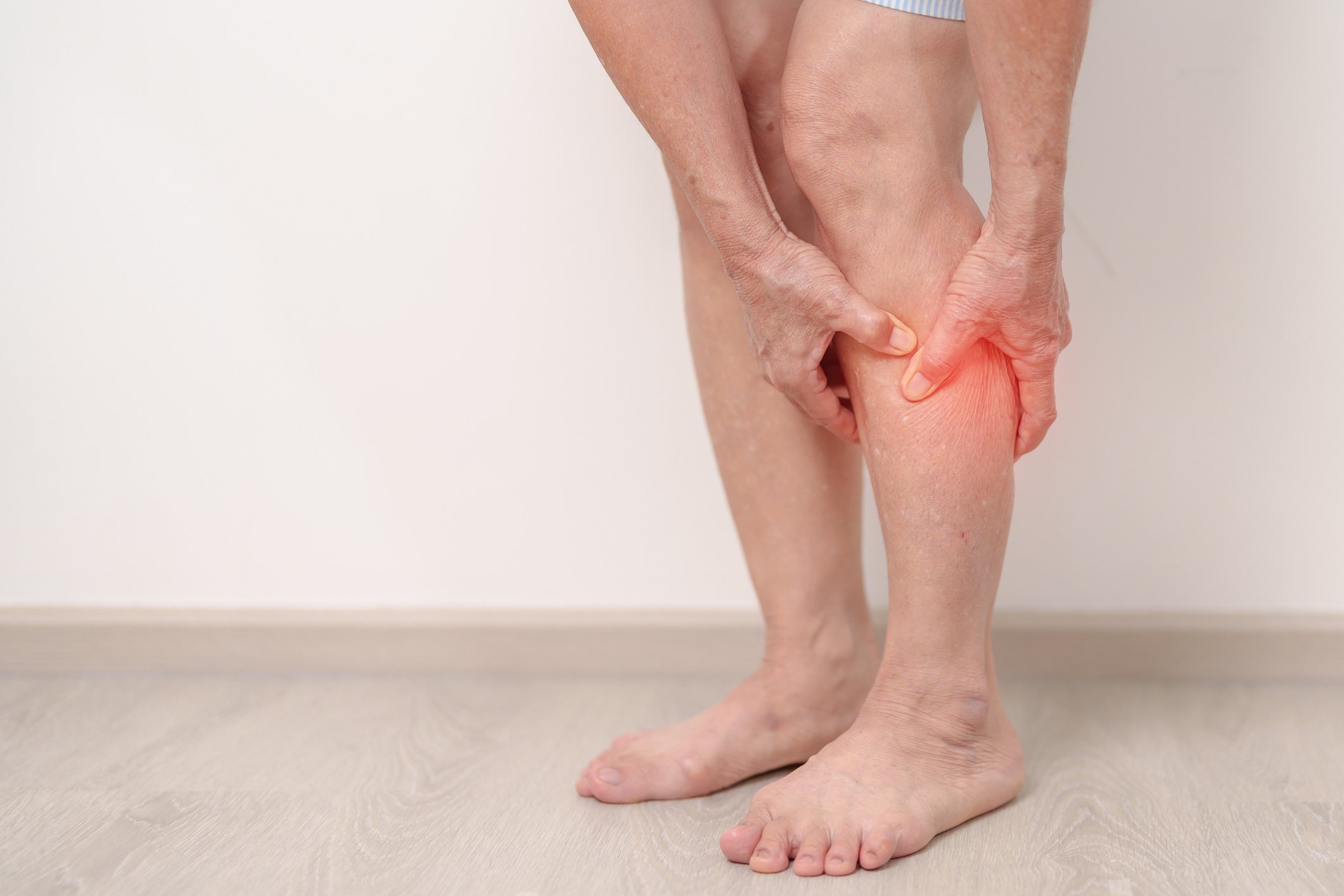
If you’re active, whether you run, cycle, play tennis, lift weights, or simply enjoy regular walks, you’ve likely experienced some form of leg discomfort. Aches, heaviness, swelling, or cramps often get brushed off as“just part of working out.”
But for some people, those same symptoms can actually be signs of Chronic Venous Insufficiency (CVI), a condition where the leg veins no longer circulate blood back to the heart effectively.
Distinguishing between soreness from exercise and symptoms of venous disease is not always intuitive. Let’s break down the key differences.
Why Leg Pain Happens in Sports
Physical activity stresses muscles, tendons, and ligaments. Common exercise-related issues include:
Muscle Soreness(DOMS)
- Appears 24–72 hours after exercise
- Caused by microscopic muscle tears
- Improves with rest, stretching, hydration, and light movement
Acute Injuries
- Strains, sprains, or pulls
- Localized pain
- Pain increases with movement of the injured muscle or joint
Overuse Injuries
- Tendonitis, shin splints, stress reactions
- Develop gradually with repetitive activity
- Improve when activity is reduced
Cramping or Fatigue
- Often linked to dehydration, electrolyte imbalance, or overexertion
- Typically occurs during or immediately after activity
What’s common to all of these? They are usually activity-dependent.When you rest, symptoms generally improve.
What Venous Insufficiency Feels Like
Venous insufficiency is caused by malfunctioning valves inside the veins,leading to blood pooling in the legs. This creates pressure, inflammation, andvisible or internal vein issues.
Symptoms tend to be:
Leg Heaviness andFatigue
- Feels like your legs are weighted down
- Often worse at the end of the day
Aching or Throbbing Pain
- Not always linked to exercise
- Often improves with leg elevation
Swelling in the Ankles or Lower Legs
- Typically worse in the afternoon or evening
- Often appears after long periods of standing or sitting
Varicose Veins or Spider Veins
- Bulging veins, twisted veins, or clusters of fine veins
- A visible sign of underlying venous disease
Nighttime Cramping or Restless Legs
- Common in venous insufficiency
- Not related to activity level
Skin Changes(Advanced Disease)
- Discoloration, itching, or thickened skin
- In severe cases, ulcers near the ankle
Bottom line: Venous symptoms tend to be worse with gravity and not causedby one specific activity.
Quick ComparisonGuide
|
Symptom |
Sports-Related |
Venous Insufficiency |
|
Appears after workouts |
✔️ Usually |
❌ Not necessarily |
|
Improves with rest |
✔️ Yes |
❌ Sometimes with elevation |
|
Worse at day’s end |
❌ Not typical |
✔️ Very common |
|
Symptoms triggered by standing long periods |
❌ Not usually |
✔️ Strong indicator |
|
Visible varicose veins |
❌ No |
✔️ Yes |
|
Leg heaviness/fatigue |
✔️ After strenuous exercise |
✔️ Even without exercise |
|
Night cramps |
❌ Less common |
✔️ Frequently reported |
|
Swelling |
❌ Usually after injury |
✔️ Daily, worsens as day progresses |
When to Suspect Venous Insufficiency Instead of a Sports Injury
Seek evaluation if you notice:
- Symptoms in both legs (sports injuries tend to be one-sided)
- Discomfort that builds throughout the day
- Symptoms that improve with leg elevation
- New or worsening varicose veins
- Persistent swelling
- Aches or throbbing unrelated to your activity
If your leg discomfort seems “out of proportion” to your workouts—or ifit persists despite stretching, rest, hydration, and proper technique—it’s timeto consider other causes.
Can You Have Both? Absolutely.
Active individuals can develop venous insufficiency and experience sports-related soreness. Unfortunately, many assume their venous symptoms are just part of training, delaying treatment.
At The Vein Institute of New Jersey, we often see runners, cyclists, and weightlifters who attribute their symptoms to workouts, only to discover they have underlying venous reflux. The good news: once treated, many report improved endurance, reduced fatigue, and better overall performance.
How We Diagnose the Difference
Our board-certified vascular specialists use:
- A comprehensive physical exam
- Symptom review
- A painless, non-invasive venous ultrasound performed by licensed vascular technologists
This ultrasound can confirm—or rule out—venous insufficiency in minutes.
Don’t Guess. Get Answers.
If you’re unsure whether your symptoms are from sports or venous disease, you don’t have to figure it out alone. An evaluation can give you clarity, peace of mind, and, if needed, a path to feeling better.



.jpg?width=944&name=Castle-Connolly-Top-Doctors-Emblem-Large%20(4).jpg "Castle Connolly Top Doctors emblem")