

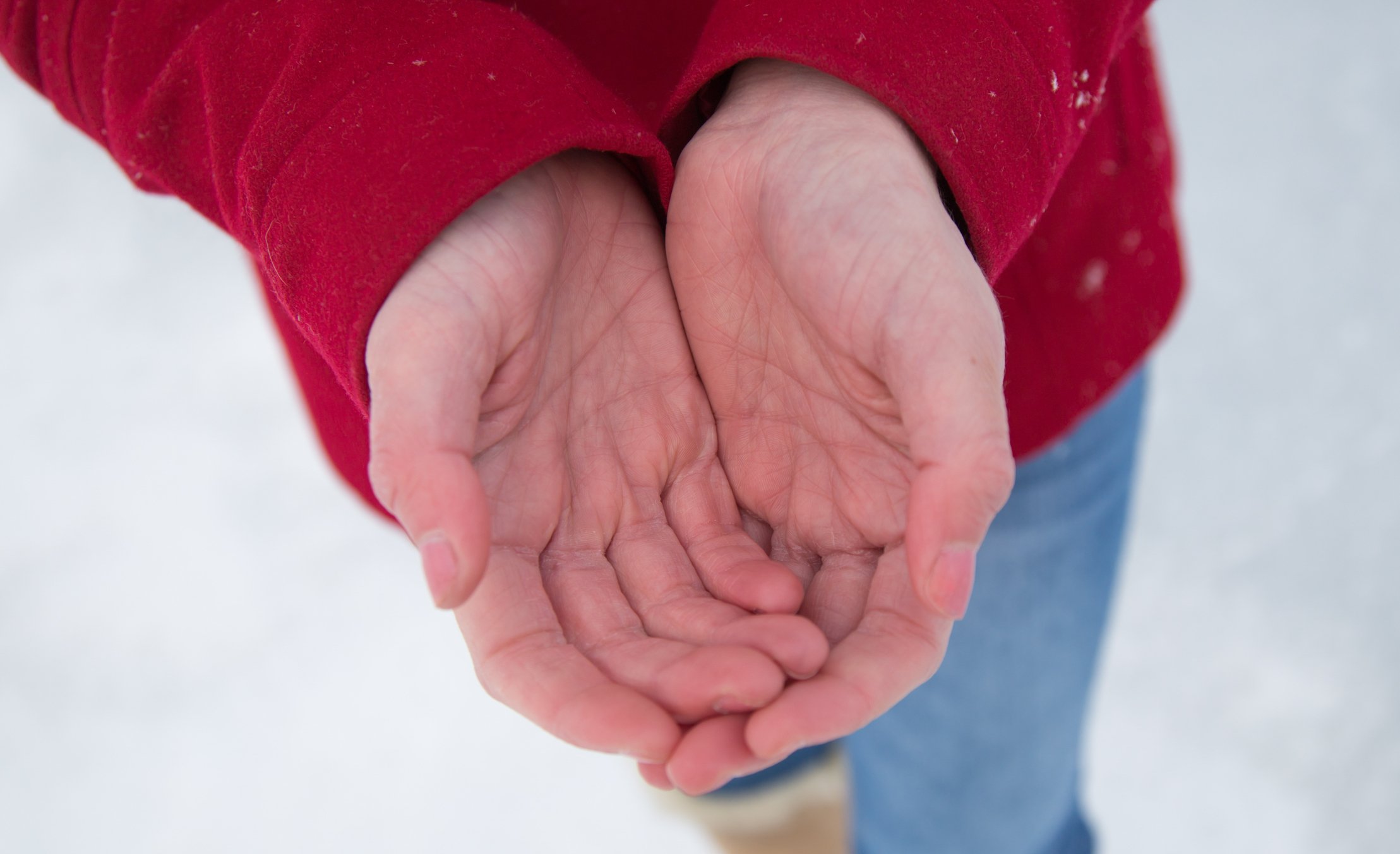
Raynaud’s Disease is a surprisingly common condition that affects blood flow primarily to the fingers and toes. It causes them to temporarily turn white, blue, or red in response to cold or stress. While it can be alarming to see your hands suddenly change color or feel numb, Raynaud’s typically isn’t dangerous on its own. However, understanding what’s happening in your blood vessels can help you better manage symptoms and know when it’s time to seek medical guidance.
At the Vein Institute of NJ at The Cardiovascular Care Group, we often see patients with Raynaud-like symptoms who want to understand what’s causing these episodes and how they fit into their overall vascular health. Let’s get an overview on what’s going on.
What Is Raynaud’s Disease?
Raynaud’s Disease (or Raynaud’s phenomenon) is a condition in which the small blood vessels in the fingers and toes overreact to cold temperatures or stress. Instead of gently narrowing—something the body normally does to conserve heat—these vessels constrict suddenly and dramatically. This is called a vasospasm.
When this happens, blood flow to the fingertips and toes slows down, causing:
- White or pale skin (lack of blood flow)
- Blue or purple skin (low oxygen)
- Redness upon rewarming (blood flow returns)
- Tingling, numbness, or throbbing pain
Episodes can last anywhere from a few minutes to more than a half hour.
Primary vs.Secondary Raynaud’s
There are two general forms:
Primary Raynaud’s
- The most common type
- Usually appears in teens or young adults
- Not related to another medical condition
- Often considered more of a vascular sensitivity than a disease
Secondary Raynaud’s
- Less common, more likely to be associated with an underlying condition
- Can occur with autoimmune or connective-tissue diseases (e.g., scleroderma, lupus)
- May be linked with certain medications, workplace exposures, or trauma
- Tends to be more severe
If Raynaud’s symptoms appear later in life, worsen over time, or affect only one side of the body, evaluation for secondary causes may be recommended.
What Triggers Raynaud’s?
Common triggers include:
- Cold exposure (even holding a cold drink)
- Emotional stress
- Sudden temperature changes
- Smoking or nicotine
- Certain medications (e.g., beta blockers for hypertension)
- Vibrating tools or repetitive hand trauma
Even small temperature drops like walking past the freezer aisle can bring on an episode.
Why Do My Fingers and Toes Change Colors?
A Raynaud’s episode typically follows this pattern:
- White Phase – Blood vessels narrow, and blood flow slows.
- Blue Phase – Reduced oxygen turns the affected area bluish or purple.
- Red Phase – Once vessels reopen, warm, oxygenated blood rushes back, causing redness and tingling.
Not everyone experiences all three color changes, but many people can identify the sequence once they recognize it.
Who Is at Risk?
You may be more likely to develop Raynaud’s if you:
- Are female
- Are between the ages of 15 and 40
- Live in colder climates
- Have a family history of Raynaud’s
- Have a history of migraines
- Work in environments with vibrations or repetitive hand stress
How Is Raynaud’s Diagnosed?
A vascular specialist or rheumatologist usually evaluates Raynaud’s through:
- Medical history and symptom patterns
- Physical exam of the hands and feet
- Cold challenge testing (in some cases)
- Ultrasound or blood tests if secondary causes are suspected
At the Vein Institute of NJ at The Cardiovascular Care Group, we often evaluate patients to differentiate between benign Raynaud’s and vascular disease requiring further investigation.
Managing Raynaud’s:What Helps?
While Raynaud’s cannot be “cured,” many people manage symptoms through practical steps such as:
Keep Warm
- Dress in layers
- Wear insulated gloves or mittens
- Use hand warmers or electric gloves in winter
- Keep home and car warm
Protect Your Hands and Feet
- Avoid direct contact with ice or frozen items
- Wear gloves when taking items from the fridge or freezer
Manage Stress
- Breathing techniques
- Warm-water hand soaks
- Mindfulness or relaxation exercises
Avoid Triggers
- Stop smoking/vaping (nicotine constricts blood vessels)
- Review medications that may worsen vasospasm
Medical Options
For some individuals with more severe symptoms, medications that relax blood vessels may be considered. These are typically reserved for cases where lifestyle modifications don’t provide enough relief or when secondary Raynaud’s is suspected.
When Should You Seek Medical Care?
Consider seeing a specialist if you:
- Experience frequent or severe episodes
- Have pain, sores, or cracks on your fingertips
- Only have symptoms on one side of the body
- Develop Raynaud’s later in adulthood
- Have other symptoms such as joint pain, skin thickening, or fatigue
A vascular evaluation can help determine whether Raynaud’s is part of a broader vascular condition or an isolated, benign sensitivity.
How We Can Help
While Raynaud’s Disease itself isn’t always dangerous, it can impact comfort, daily activities, and peace of mind. Our team at the Vein Institute of NJ at The Cardiovascular Care Group helps patients understand their symptoms, rule out underlying vascular or autoimmune causes, and develop practical strategies to manage flare-ups.
If you’re experiencing frequent color changes, numbness, or sensitivity to cold in your hands or feet, we’re here to help you navigate the next steps with clarity and care.





.jpg?width=944&name=Castle-Connolly-Top-Doctors-Emblem-Large%20(4).jpg "Castle Connolly Top Doctors emblem")